Welcome to the website of Hebi Yuxing Coal Machinery Co., Ltd.!
Hotline:

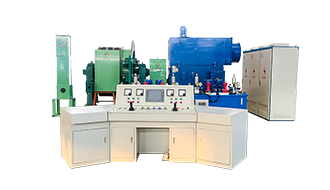
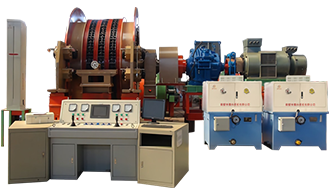

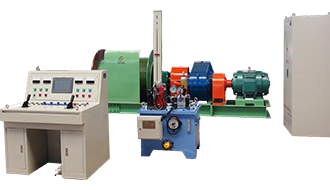

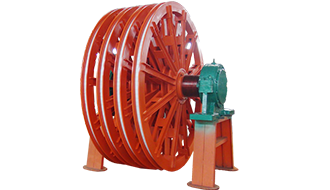
Single-rope winding hoist
2024-10-15
I. The Working Principle of Single-Rope Winding Hoists
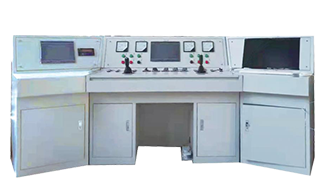
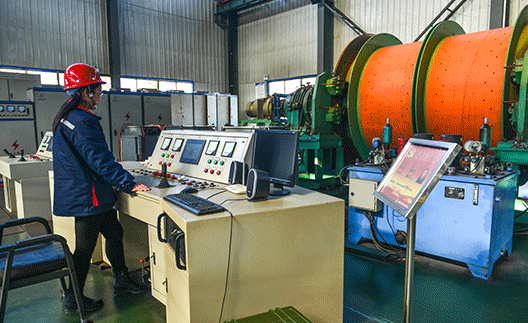
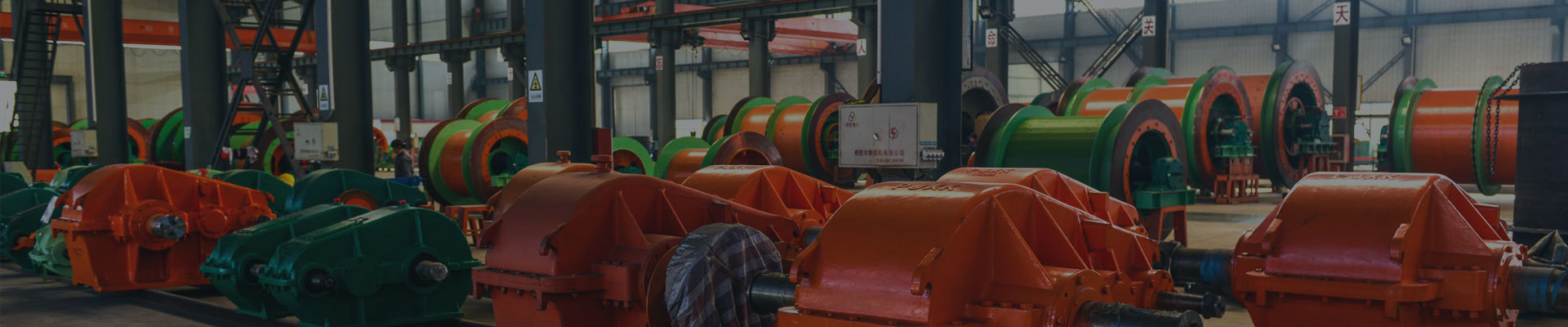
The single-rope winding hoist primarily consists of a drum, steel wire rope, lifting container, braking system, and transmission mechanism. Its operating principle involves an electric motor driving the transmission unit, which rotates the drum—causing the steel wire rope to wind onto or unwind from the drum—and thereby enabling the lifting container to ascend or descend. During the lifting process, the braking system plays a crucial role in regulating the hoist's speed and ensuring safe stopping, guaranteeing secure operation.
II. Features of Single-Rope Winding Hoists
Simple structure: The single-rope winding hoist features a relatively straightforward design, making it easy to manufacture, install, and maintain. Comprising fewer components, it reduces the likelihood of failures and enhances the overall reliability of the equipment.
High-capacity lifting: This hoist can be designed in various specifications and models to meet different needs, offering substantial lifting power and effectively addressing the material and personnel lifting requirements of industries such as mining.
Stable Operation: During operation, the single-rope winding hoist ensures that the steel wire rope is evenly wound around the drum, resulting in smooth movement of the lifting container. This minimizes impact on both materials and personnel, enhancing the overall safety of transportation.
Highly adaptable: It can accommodate diverse working environments and lifting heights, making it widely used in various fields such as mining, tunnel construction, and hydraulic engineering.
III. Application Fields of Single-Rope Winding Hoists
The mining industry: In mineral extraction, single-rope winding hoists are used to lift materials such as ore and waste rock from underground to the surface, while also transporting miners up and down the shaft. They are an indispensable piece of equipment in mining operations.
Metallurgical Industry: In metallurgical enterprises, single-rope winding hoists are used to lift and transport materials such as raw materials, semi-finished products, and finished goods between different workshops and processes, thereby enhancing production efficiency.
Construction Industry: In building construction, single-rope winding hoists can be used for the vertical transportation of building materials, equipment, and personnel, helping to accelerate construction progress.
Other industries: In addition to the industries mentioned above, single-rope winding elevators are also widely used in fields such as hydraulic engineering, port terminals, and power generation.
IV. Selection and Maintenance of Single-Rope Winding Hoists
When selecting a single-rope winding hoist, consider factors such as lifting height, lifting capacity, working environment, and safety requirements. Choose the appropriate specifications and model based on your specific needs to ensure the hoist meets all operational demands.
Maintenance: To ensure the safe operation of a single-rope winding hoist, regular maintenance is essential. This primarily involves inspecting the wire rope for wear, checking the drum for deterioration, evaluating the performance of the braking system, and ensuring proper lubrication of the transmission components. Identifying and addressing issues promptly will help extend the equipment's service life.
V. Development Trends in Single-Rope Winding Hoists
With the continuous advancement of technology, single-rope winding elevators are also undergoing ongoing development and innovation. In the future, these elevators will evolve toward greater intelligence and automation. For instance, by integrating advanced sensor technologies and control systems, they will enable automatic operation and remote monitoring; enhance the equipment's lifting capacity and operational efficiency while reducing energy consumption and costs; and strengthen safety protection measures to improve the device's safety and reliability.
In summary, the single-rope winding hoist, as a crucial lifting device, plays an irreplaceable role in industries such as mining, metallurgy, and construction. With continuous technological advancements, it will keep evolving and improving, providing even more reliable support for the growth of these sectors.

Follow us

Hebi Yuxing Coal Machinery Co., Ltd.
Hotline:+86-13939219076
Technical Consultation:+86-13503925535
Address: Yuxing Industrial Park, Shancheng, Hebi City, Henan Province
You are a helpful assistant.


Copyright © Hebi Yuxing Coal Machinery Co., Ltd. SEO tags Business license




Copyright © Hebi Yuxing Coal Machinery Co., Ltd.Business license
This website supports IPv6 and SEO tags.