In today's industrial sector, winch hoists play a critical role. These are mechanical devices used to lift and lower heavy objects, widely employed in industries such as mining, construction, and port operations.
II. Overview of Winches and Hoists
(1) Definition and Working Principle
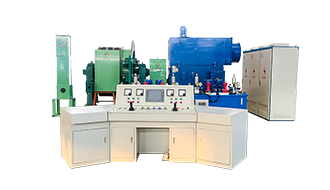
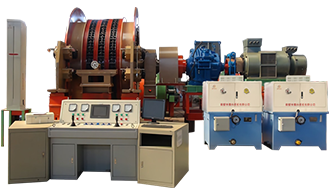
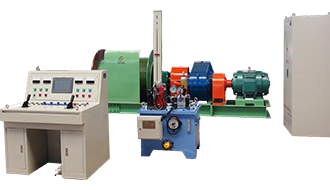
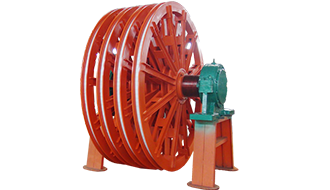
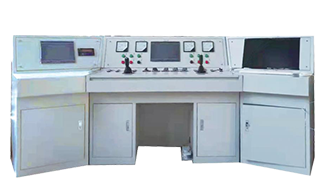
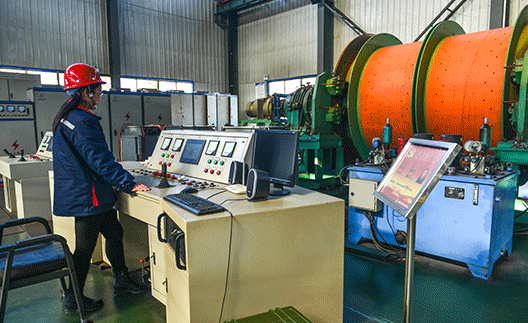
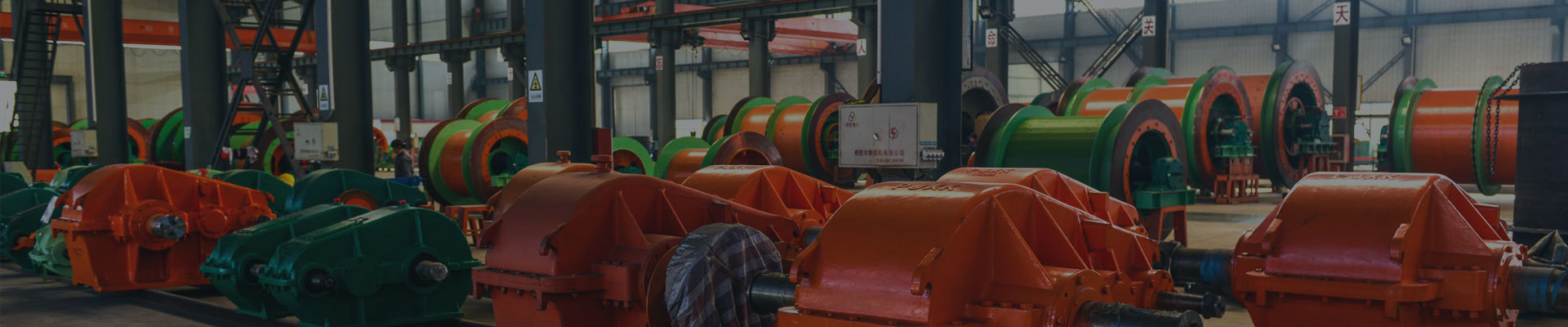
A winch hoist is a device that uses a drum to wind up steel cables or chains, enabling the lifting or lowering of heavy objects. It typically consists of components such as an electric motor, gearbox, drum, brake, and control system. During operation, the electric motor drives the gearbox, which in turn rotates the drum. As the steel cable or chain wraps around the drum, it facilitates the lifting or lowering of the load.
(II) Classification and Application Areas
Winch hoists can be classified into various types based on different criteria: by purpose, they include mining winch hoists, construction winch hoists, port winch hoists, and more; by the number of drums, they are divided into single-drum and double-drum winch hoists; and by their transmission method, they range from mechanically driven winch hoists to hydraulically and electrically powered ones.
Winches and hoists are widely used in industries such as mining, construction, ports, and water conservancy. In mining, they are employed to lift materials like ores and coal; in construction, they help hoist building materials and equipment; at ports, they facilitate the loading and unloading of cargo; and in hydraulic engineering, they are utilized to raise gates and operate lifting mechanisms.
III. The Importance of Winches and Hoists
(1) Enhance Production Efficiency
The winch hoist can quickly lift and lower heavy objects, significantly boosting productivity. In industries such as mining and construction, handling heavy loads is a time-consuming and labor-intensive task—but using a winch hoist can dramatically reduce lifting and moving times, enhancing overall efficiency.
(II) Ensuring Production
The winch hoist features a reliable braking system and safety protection devices, ensuring safe operations during production. In the event of a malfunction or abnormal situation while lifting heavy loads, the braking system can immediately engage to prevent the load from falling, thereby safeguarding both personnel and equipment.
(III) Reducing Labor Intensity
Using a winch hoist can significantly reduce labor intensity. In traditional methods of handling heavy objects, substantial manpower and resources are required, leading to high levels of physical exertion. By contrast, employing a winch hoist minimizes the need for manual labor, thereby lowering the overall physical strain on workers.