Welcome to the website of Hebi Yuxing Coal Machinery Co., Ltd.!
Hotline:

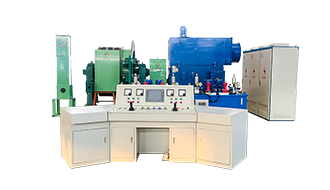
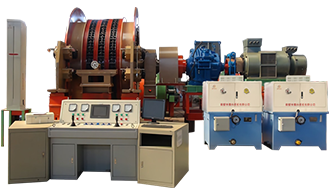

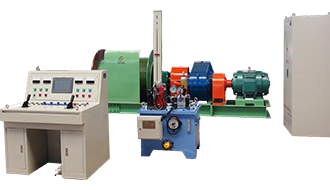

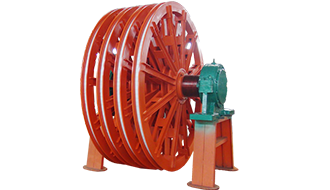
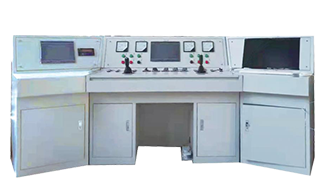
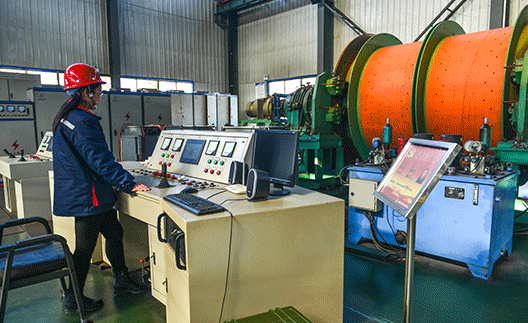
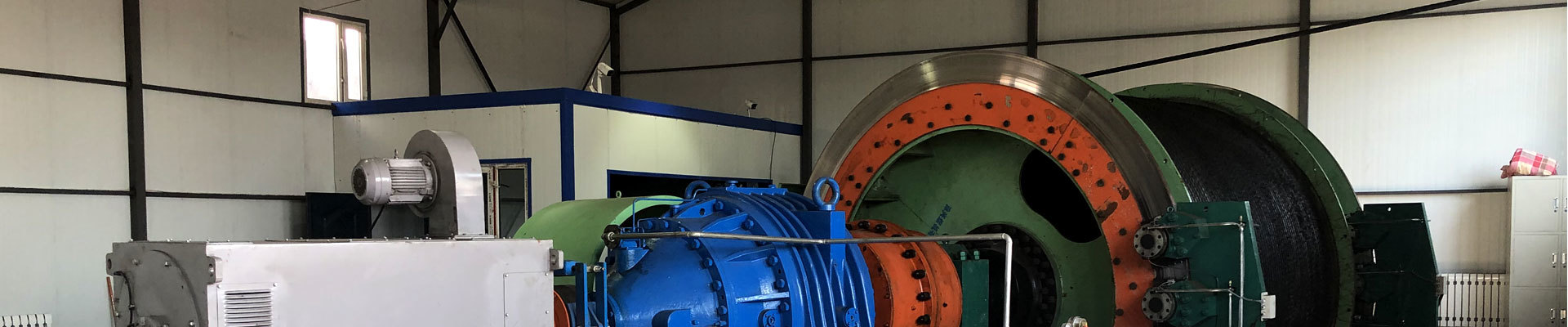
Mining winch equipment
2024-02-19
portal-saas/pg2025072820482086516/cms/image/d2364d5a-bc66-417b-8448-6913e2cc342a.jpg" style="max-width: 100%; width: auto; height: auto;"
The mining industry is a hazardous sector, making safety issues particularly critical. The classification of mine hoist models must be examined meticulously—no detail can be overlooked. After all, the quality of mine hoists directly impacts both worker safety and property protection, as well as overall productivity. In particular, mine hoists have stringent requirements when it comes to safety and reliability. Thanks to their high reliability, these systems can precisely execute lifting-container operations as needed, ensuring that the load reaches its designated ground-level position accurately. This precision is essential for maintaining the efficient and long-term operation of the mine’s hoisting system. To summarize, mine hoists are indispensable equipment in coal mining operations, playing a vital role in the production process. Therefore, it’s crucial to establish detailed, specific, and rigorous management protocols to guarantee the equipment operates effectively and reliably at all times. Additionally, implementing a robust accountability system is key to continuously improving safety standards in the mine—and ensuring that machinery remains fully functional without any operational slack during use.
Every day, we must inspect and ensure that the mine hoist model classifications remain intact and undamaged. We will archive the daily inspection results and assign a dedicated person to conduct regular checks. This ensures that inspections are performed accurately and any discrepancies are promptly addressed. Additionally, we’ll examine different operational areas and verify the corresponding components to guarantee the safety of all inspection personnel.
Conduct a one-hour inspection and maintenance session every day, addressing any identified issues promptly. If a problem cannot be resolved or the solution is incomplete, stop immediately.
The balance wheel and mining winch must be inspected within two years. The classification of mining winch models should undergo technical certification every two years. Steel cables must be replaced promptly as required. *Clean and test the electric motor once annually. Inspect the operating switch once a year. Lubricants for key equipment must be replaced regularly.
The newly installed mining winch must be positioned at a distance of 50 centimeters—or half a meter—from the wall. If the mining winch is placed too close to the wall, it could impair the motor’s cooling efficiency, potentially leading to motor overheating and failure. All mining winches, whether permanent or temporary, must be installed in accordance with safety regulations to ensure the secure operation of the equipment.
The mine hoist's tunnels and branch passages must meet design specifications to ensure adequate space for hoist installation and operator maneuverability. The project must be of high quality, with no nearby equipment obstructing the operator’s actions—either by interfering with hoist operations or by blocking the driver’s line of sight and concentration. If the diverter fails to comply with the hoist installation requirements, installation may be rejected.
In addition to routine maintenance and repairs, mining winches also require regular inspections. These inspection tasks are categorized into daily, weekly, and monthly checks. The specific content of each inspection should be determined based on the unique structural features, performance characteristics, operating conditions, and maintenance experience of the individual crane.
The advantages of variable-frequency mining winches are primarily evident in four key areas, influencing both the frequency of these winches and the industry as a whole.
1. Significant energy-saving effect.
The winch control circuit uses a variable-frequency drive system, which delivers *better energy-saving performance* compared to the original series-resistor speed-control system.
The variable-frequency speed control system, powered by vector control technology, eliminates the input of the original winch’s starting resistor, reducing both resistance and voltage drop losses, and thereby minimizing equipment power consumption.
2. Reduce maintenance and repair costs.
The variable-frequency-controlled winch control system enhances the control and protection performance of frequency-conversion mining winches. Compared to the original, outdated electronic control system, this advanced system reduces equipment failure rates by more than 80%, cuts equipment maintenance needs by 50%, and lowers maintenance costs by over 65%—all while maintaining a high level of safety.
3. Easy to operate.
The variable-frequency mining winch requires only simple forward and reverse controls, with each acceleration and deceleration point automatically managing the speed—significantly reducing operator fatigue.
The mining industry is a hazardous sector, making safety issues particularly critical. The classification of mine hoist models must be examined meticulously—no detail can be overlooked. After all, the quality of mine hoists directly impacts both worker safety and property protection, as well as overall productivity. In particular, mine hoists have stringent requirements when it comes to safety and reliability. Thanks to their high reliability, these systems can precisely execute lifting-container operations as needed, ensuring that the load reaches its designated ground-level position accurately. This precision is essential for maintaining the efficient and long-term operation of the mine’s hoisting system. To summarize, mine hoists are indispensable equipment in coal mining operations, playing a vital role in the production process. Therefore, it’s crucial to establish detailed, specific, and rigorous management protocols to guarantee the equipment operates effectively and reliably at all times. Additionally, implementing a robust accountability system is key to continuously improving safety standards in the mine—and ensuring that machinery remains fully functional without any operational slack during use.
Every day, we must inspect and ensure that the mine hoist model classifications remain intact and undamaged. We will archive the daily inspection results and assign a dedicated person to conduct regular checks. This ensures that inspections are performed accurately and any discrepancies are promptly addressed. Additionally, we’ll examine different operational areas and verify the corresponding components to guarantee the safety of all inspection personnel.
Conduct a one-hour inspection and maintenance session every day, addressing any identified issues promptly. If a problem cannot be resolved or the solution is incomplete, stop immediately.
The balance wheel and mining winch must be inspected within two years. The classification of mining winch models should undergo technical certification every two years. Steel cables must be replaced promptly as required. *Clean and test the electric motor once annually. Inspect the operating switch once a year. Lubricants for key equipment must be replaced regularly.
The newly installed mining winch must be positioned at a distance of 50 centimeters—or half a meter—from the wall. If the mining winch is placed too close to the wall, it could impair the motor’s cooling efficiency, potentially leading to motor overheating and failure. All mining winches, whether permanent or temporary, must be installed in accordance with safety regulations to ensure the secure operation of the equipment.
The mine hoist's tunnels and branch passages must meet design specifications to ensure adequate space for hoist installation and operator maneuverability. The project must be of high quality, with no nearby equipment obstructing the operator’s actions—either by interfering with hoist operations or by blocking the driver’s line of sight and concentration. If the diverter fails to comply with the hoist installation requirements, installation may be rejected.
In addition to routine maintenance and repairs, mining winches also require regular inspections. These inspection tasks are categorized into daily, weekly, and monthly checks. The specific content of each inspection should be determined based on the unique structural features, performance characteristics, operating conditions, and maintenance experience of the individual crane.
The advantages of variable-frequency mining winches are primarily evident in four key areas, influencing both the frequency of these winches and the industry as a whole.
1. Significant energy-saving effect.
The winch control circuit uses a variable-frequency drive system, which delivers *better energy-saving performance* compared to the original series-resistor speed-control system.
The variable-frequency speed control system, powered by vector control technology, eliminates the input of the original winch’s starting resistor, reducing both resistance and voltage drop losses, and thereby minimizing equipment power consumption.
2. Reduce maintenance and repair costs.
The variable-frequency-controlled winch control system enhances the control and protection performance of frequency-conversion mining winches. Compared to the original, outdated electronic control system, this advanced system reduces equipment failure rates by more than 80%, cuts equipment maintenance needs by 50%, and lowers maintenance costs by over 65%—all while maintaining a high level of safety.
3. Easy to operate.
The variable-frequency mining winch requires only simple forward and reverse controls, with each acceleration and deceleration point automatically managing the speed—significantly reducing operator fatigue.

Follow us

Hebi Yuxing Coal Machinery Co., Ltd.
Hotline:+86-13939219076
Technical Consultation:+86-13503925535
Address: Yuxing Industrial Park, Shancheng, Hebi City, Henan Province
You are a helpful assistant.


Copyright © Hebi Yuxing Coal Machinery Co., Ltd. SEO tags Business license




Copyright © Hebi Yuxing Coal Machinery Co., Ltd.Business license
This website supports IPv6 and SEO tags.