Welcome to the website of Hebi Yuxing Coal Machinery Co., Ltd.!
Hotline:

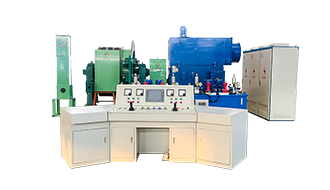
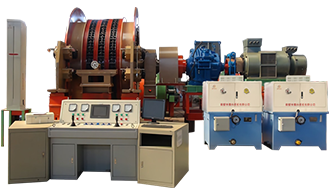

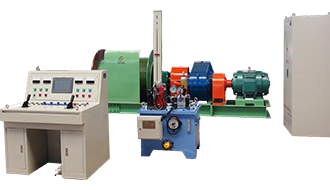

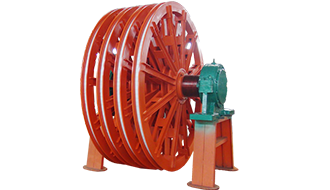
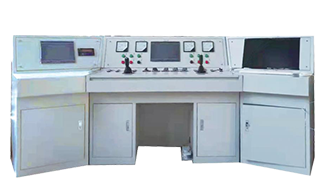
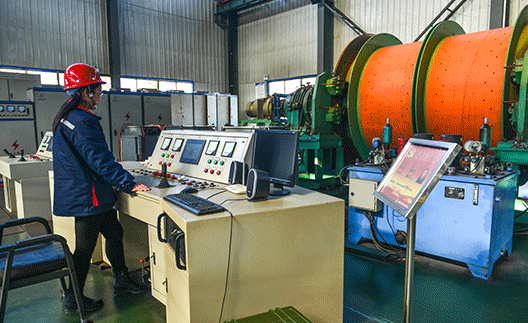
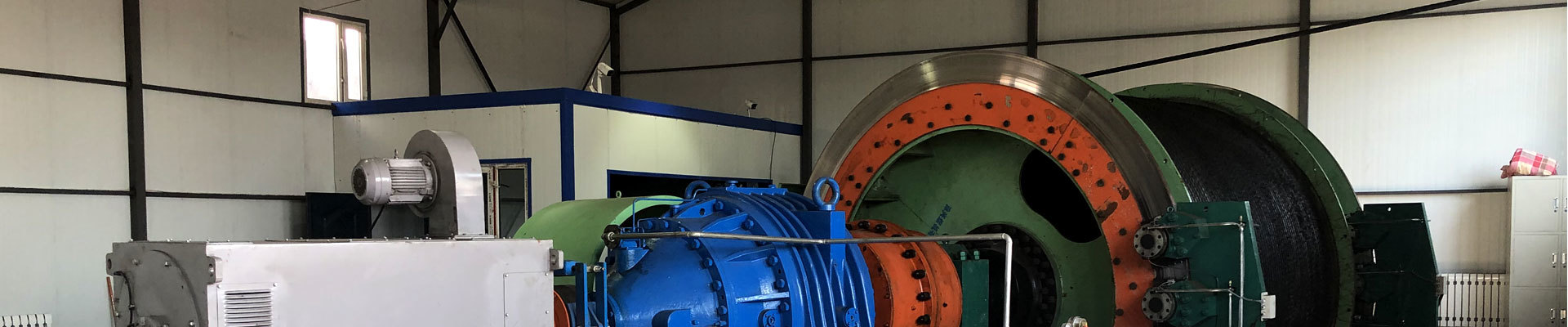
3-meter mining winch hoist
2024-02-19
The 3-meter mining winch hoist features high versatility, a compact design, small size, lightweight construction, significant lifting capacity, and convenient portability. It is widely used in material lifting or horizontal dragging applications across industries such as construction, hydraulic engineering, forestry, mining, and port operations. Additionally, it serves as essential auxiliary equipment for modern, electronically controlled, automated production lines. Among domestic mines, the single-rope winding-type 3-meter hoist enjoys widespread adoption and holds a substantial market share.

The JK3 3-meter mining winch features high versatility, a compact design, small size, lightweight construction, significant lifting capacity, and convenient portability. It is widely used in material lifting or horizontal dragging applications across industries such as construction, hydraulic engineering, forestry, mining, and port operations. Additionally, it can serve as essential equipment for modern, electronically controlled, automated production lines.
The working principle of a 3-meter mining winch is relatively simple: one end of the steel cable is fixed and wound around the winch drum, while the other end passes over the derrick sheave and supports the lifting container. By varying the direction of drum rotation, the steel cable is either wound onto or released from the drum, enabling the container to be lifted or lowered smoothly.

As mine shafts deepen, the diameter requirements for wire ropes increase significantly—yet excessively large wire rope diameters can become cumbersome both in manufacturing and during operation. These ropes are characterized by reliable performance, eliminating the need for a counterbalance tail rope, while also benefiting from mature technology and a competitive price point, making them ideal for shallow mines. They effectively meet the diverse production needs of various customers. However, 3-meter mining winches do present certain challenges, all of which stem from issues with their protection systems. For instance, problems like brake shoe protection failures or loss of the safety circuit often require immediate attention—such as replacing the brakes or addressing similar electrical or hydraulic system components. While these may not always be critical errors, they still demand a thorough understanding of the system to ensure proper repairs. Additionally, the deceleration points are precisely located on the depth indicator. Adjusting the positions of the upper and lower deceleration points, along with the limit switches, is essential for maintaining optimal performance. The main control console continuously monitors the conveyor’s speed in real time, automatically activating the brakes when the conveyor comes to a complete stop. This feature prevents unintended conveyor movement, safeguards against overcurrent conditions in the variable-frequency drive and motor, and ensures smooth, safe operation at all times.
 Introduction to the 3-meter Mine Winch Hoisting Machine Electrical Control System:
1. The main control console for the mining winch uses an FX2N-type PLC as its primary control device, and is designed and manufactured entirely in accordance with the electromagnetic compatibility standards specified in GB/T 17626.
2. The mining winch, equipped with a PLC-based control system, can easily implement interlocking control between the main conveyor belt and upstream/downstream equipment.
3, By using a frequency converter to control motor startup and speed adjustment, the system not only meets the requirements for smooth starting and variable-speed operation of belt conveyors but also delivers significant energy-saving benefits when running at low speeds over extended periods—such as during passenger transport, rope inspections, or belt testing.
4. The frequency converter enables automatic data exchange via the network platform, while the 3-meter mining winch features an automatic adjustment function for operating parameters. It also boasts excellent dynamic tracking performance between the master and follower motors, ensuring balanced power distribution across multiple units.

Follow us

Hebi Yuxing Coal Machinery Co., Ltd.
Hotline:+86-13939219076
Technical Consultation:+86-13503925535
Address: Yuxing Industrial Park, Shancheng, Hebi City, Henan Province
You are a helpful assistant.


Copyright © Hebi Yuxing Coal Machinery Co., Ltd. SEO tags Business license




Copyright © Hebi Yuxing Coal Machinery Co., Ltd.Business license
This website supports IPv6 and SEO tags.