Welcome to the website of Hebi Yuxing Coal Machinery Co., Ltd.!
Hotline:

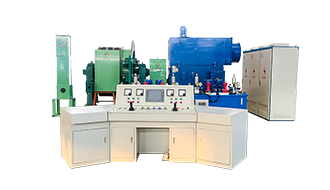
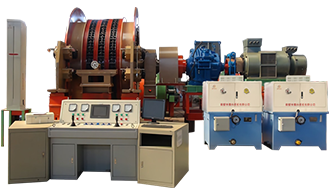

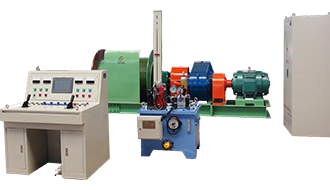

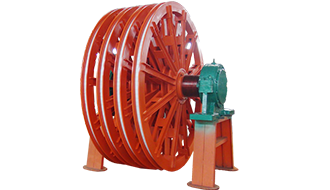
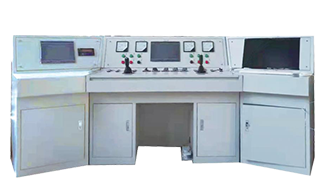
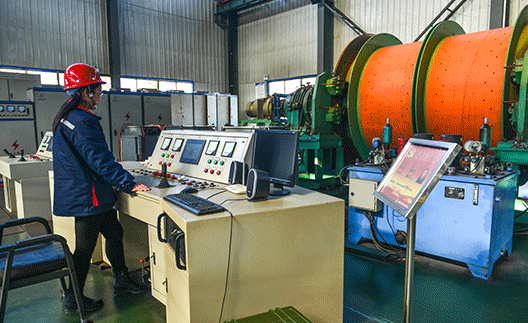

Explosion-proof coal mine hoist
The shaft hoisting system is further divided into the shaft cage system and the skip hoisting system. The shaft cage system is typically used as a secondary shaft hoisting system (and can also serve as part of a combined shaft system), while in smaller mines, it occasionally doubles as the main shaft hoisting system. In contrast, the shaft skip hoisting system is exclusively employed for the main shaft.
Category:
JTP-Type Mine Hoisting Winch
Leave a Message Online
Product Description
Coal Mine Explosion Protection The hoist drum can be easily lowered into the shaft by splitting it into two or four sections. Suitable for hoisting and transportation in main shafts, auxiliary shafts, inclined shafts, and vertical shafts. 。 Used for 10-meter to 2,300-meter mine shafts. Single-trip lifting capacity ranges from 1 to 23 tons. The lifting methods differ between inclined shafts and vertical shafts, even when using the same model of lifting equipment—resulting in varying maximum load capacities. For inquiries, please call the number listed on the page.
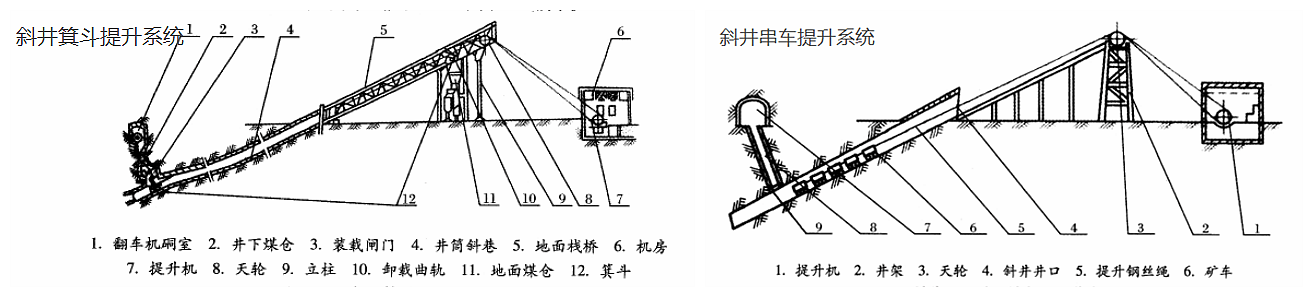
The mine hoisting system is divided into: Shaft hoisting or inclined shaft hoisting:
① The shaft hoisting system is further divided into the cage hoisting system and the skip hoisting system. The shaft cage hoisting system is typically used as a secondary shaft system (and can also serve as a mixed-shaft system; in smaller mines, it even doubles as the main shaft hoisting system). In contrast, the shaft skip hoisting system is exclusively employed as the main shaft hoisting system. Compared to the secondary shaft system, aside from the difference in containers, this system features both mechanical and automatic loading/unloading methods, making it easier to implement automated operations.
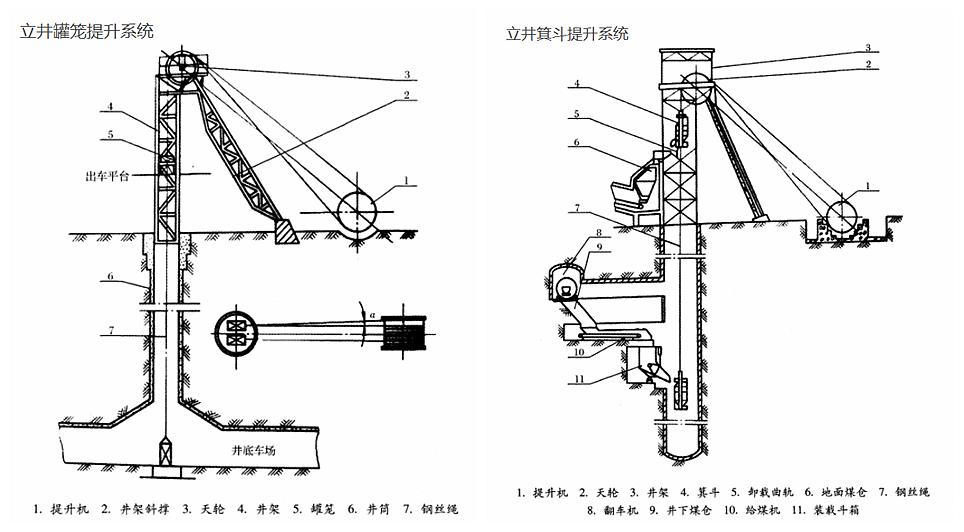
② Inclined shaft skip and cage hoisting system. The inclined shaft skip hoisting system is part of the main shaft hoisting system, while the cage-and-ropeway hoisting system typically serves as the auxiliary shaft hoisting system. In mines with lower production volumes, this same system may also function as the primary hoisting system for coal or other materials. Meanwhile, the inclined shaft cage-and-ropeway system can operate either as a main shaft hoisting system or as a supplementary lifting system. When transporting materials up and down, mine cars and material carts are commonly used; however, when it’s time to transport personnel, the cages can be detached and replaced with passenger cars to safely carry workers.
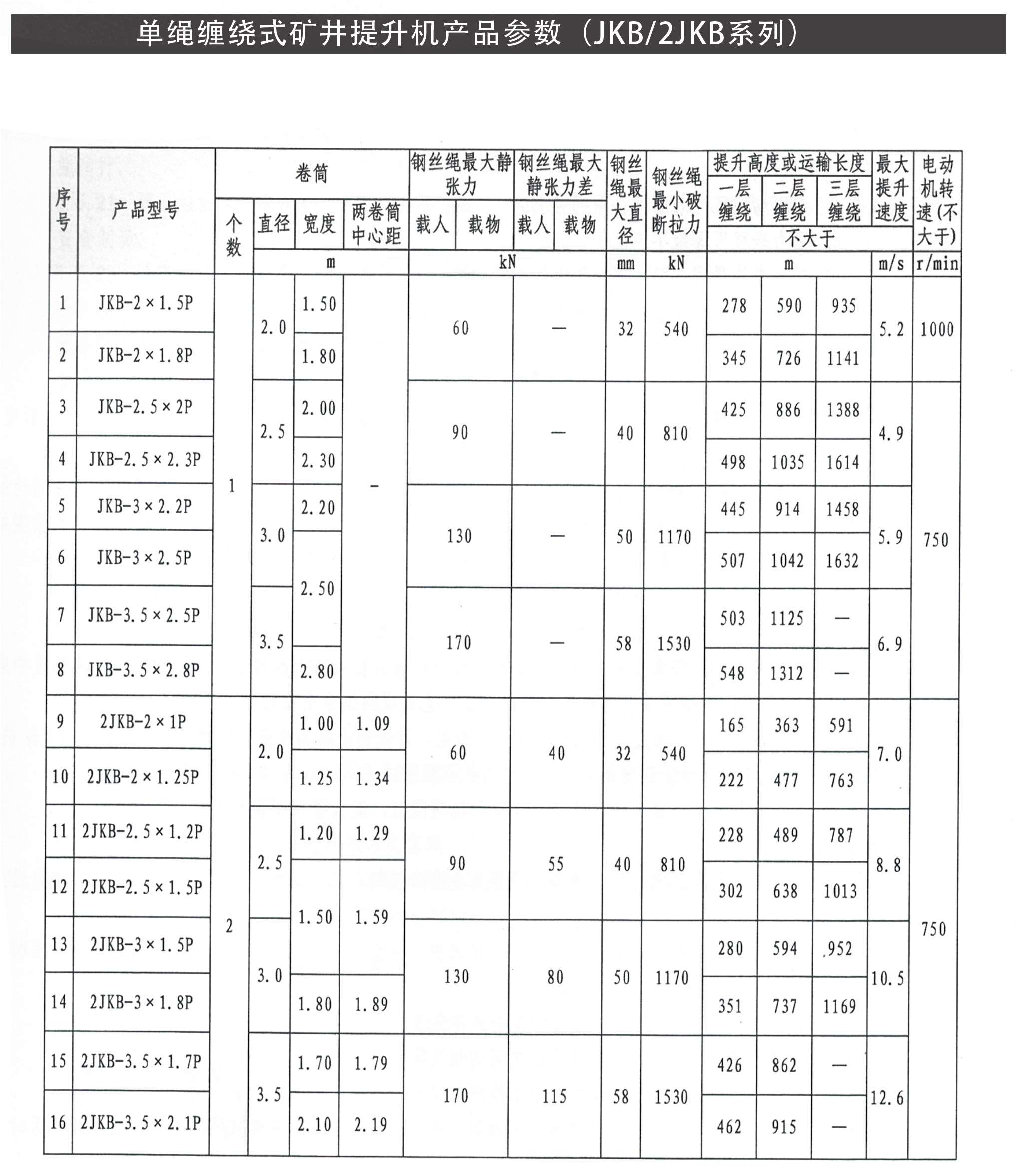
Mine hoists, also known as winch elevators, are compact and lightweight lifting devices that use a drum to wind steel cables for raising or pulling heavy loads. These machines feature one or more horizontally mounted drums—or cable drums—designed to neatly coil ropes, and are primarily used in mining operations for lifting materials vertically or dragging them horizontally.
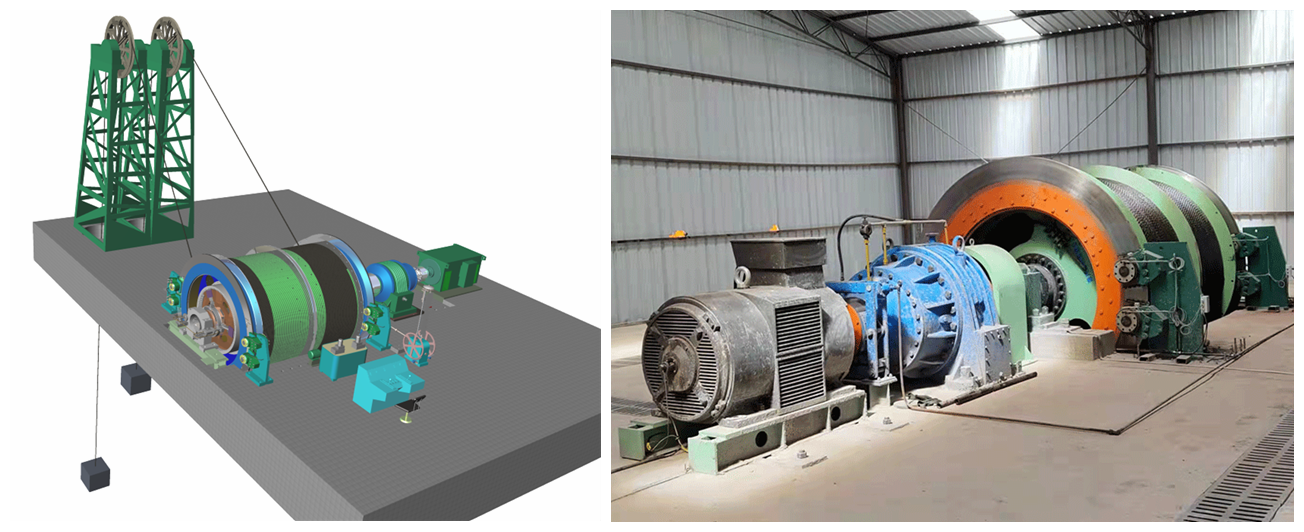
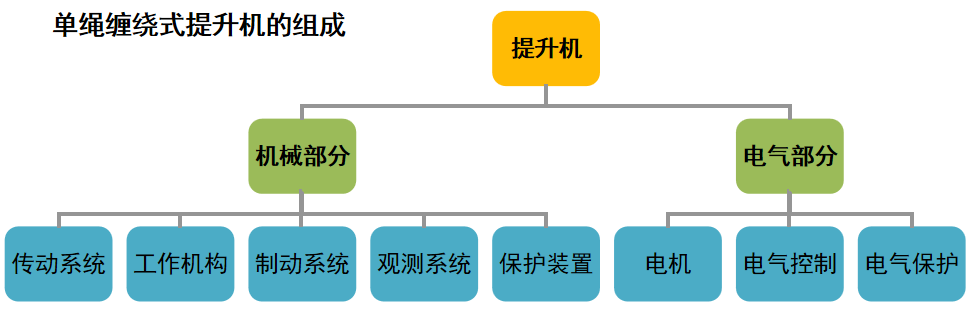
Working Principle of Single-Rope Winding Mine Hoists :
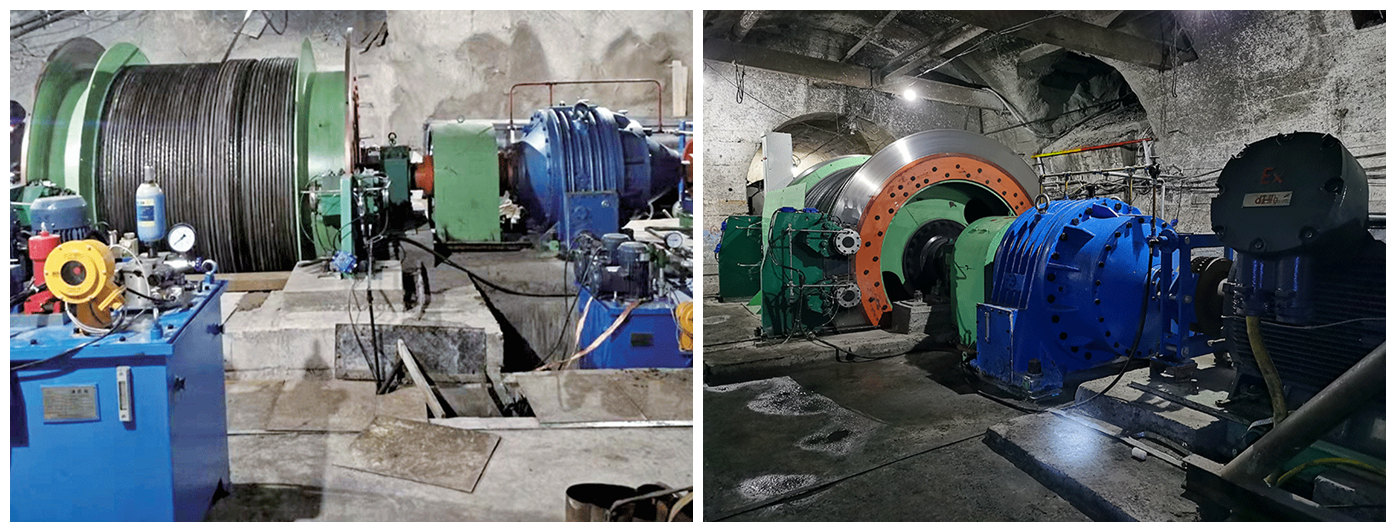
Powered by an electric motor, the system utilizes a coupling, gearbox, spindle assembly, and sheave assembly as its transmission and working components, employing steel cables to lift and lower containers within the shaft. A series of control systems, including brakes and depth indicators, ensures the equipment operates smoothly and reliably.
The motor speed is adjusted via the gearbox to achieve a specific rotational speed for the drum, enabling the steel cable wound around the drum to move the container at the desired linear velocity.
The floating drum of the double-drum hoist can rotate relative to the fixed drum, enabling rope adjustment.

 |
 |
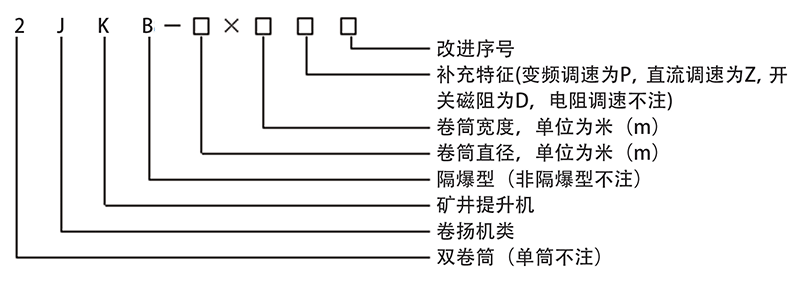 |
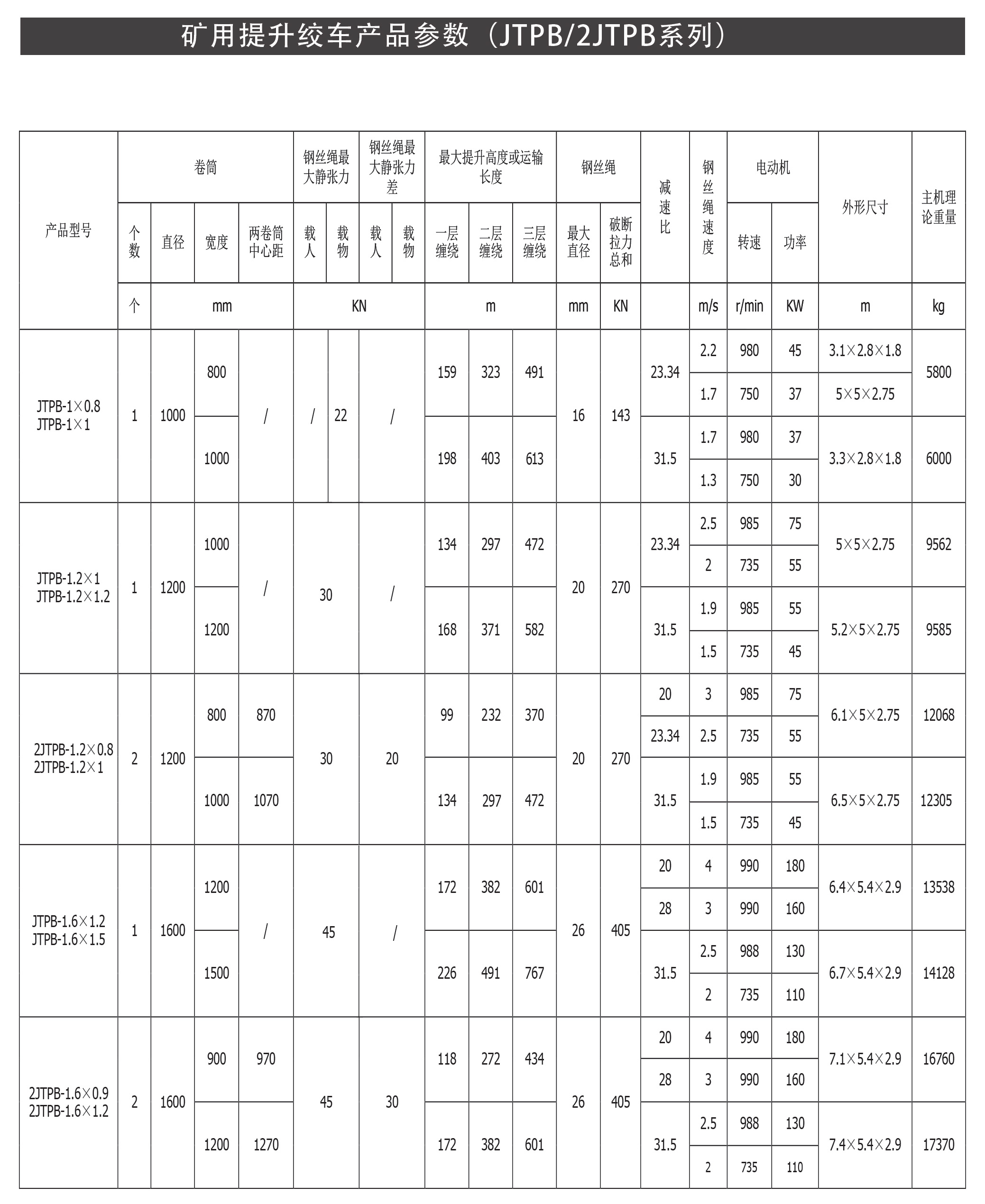
The Meaning Behind the Model Designations of Single-Rope Winding Hoists :Example: The model of the 2.5-meter double-drum hoist is: 2JK-2.5 × 1.2P 2-Double drums (1 when using a single drum, omitted for simplicity) K—The initial letter of the Chinese Pinyin for "mine shaft." J- "Winch." 2.5 - The nominal diameter of the roll is 2.5 meters. 1.2 - The width between the two rope guide plates of the roll is 1.2 meters. P - AC Control; Z - DC electronic control. The D-electronic control system uses switch reluctance speed regulation; resistor-based speed control is not indicated. Currently available with single and dual drums Two series, 43 product specifications, with the largest specification featuring a diameter of 4 meters. It can also be customized according to user needs. |


1. The spindle assembly can be designed as an integral type, a two-half-type, or a four-lobed drum.
2. The drum groove features either a machined helical groove, a polygonal groove, or a helical groove formed by plastic lining and compression; a wire rope transition device is installed between layers.
3. The spindle and drum are connected via a flat, high-torque friction coupling;
4. Equipped with rear-mounted disc brakes powered by hydraulic cylinders, featuring protective functions such as monitoring brake pad wear and spring fatigue; optional constant-torque and constant-deceleration hydraulic stations are available.
5. A signal monitoring device composed of an optical encoder and a DC tachogenerator, featuring protective functions such as overspeed detection, overwinding protection, and depth indication monitoring.
6. Employs a hardened-steel planetary gear reducer, offering advantages such as long service life, high transmission efficiency, compact size, lightweight design, superior reliability, low noise levels, and easy, convenient maintenance.
7. The hoisting sheave assembly features an integral or split welded structure, equipped with rolling bearings and friction linings mounted on the wheel flanges; it boasts high mechanical performance and excellent impact toughness.
8. Utilizes a radial tooth-block type rope-adjusting clutch mechanism; this design enables quick and precise rope adjustment, boosting operational efficiency while eliminating the previous risk of cylinder oil leakage contaminating the brake disc.
9. Complete set of frequency-controlled electrical systems; the control system uses a PLC for management, offering comprehensive fault monitoring and reliable fault alarm protection features. It includes multiple protective functions such as overvoltage, overcurrent, undervoltage, short circuit, ground fault, and overheating. 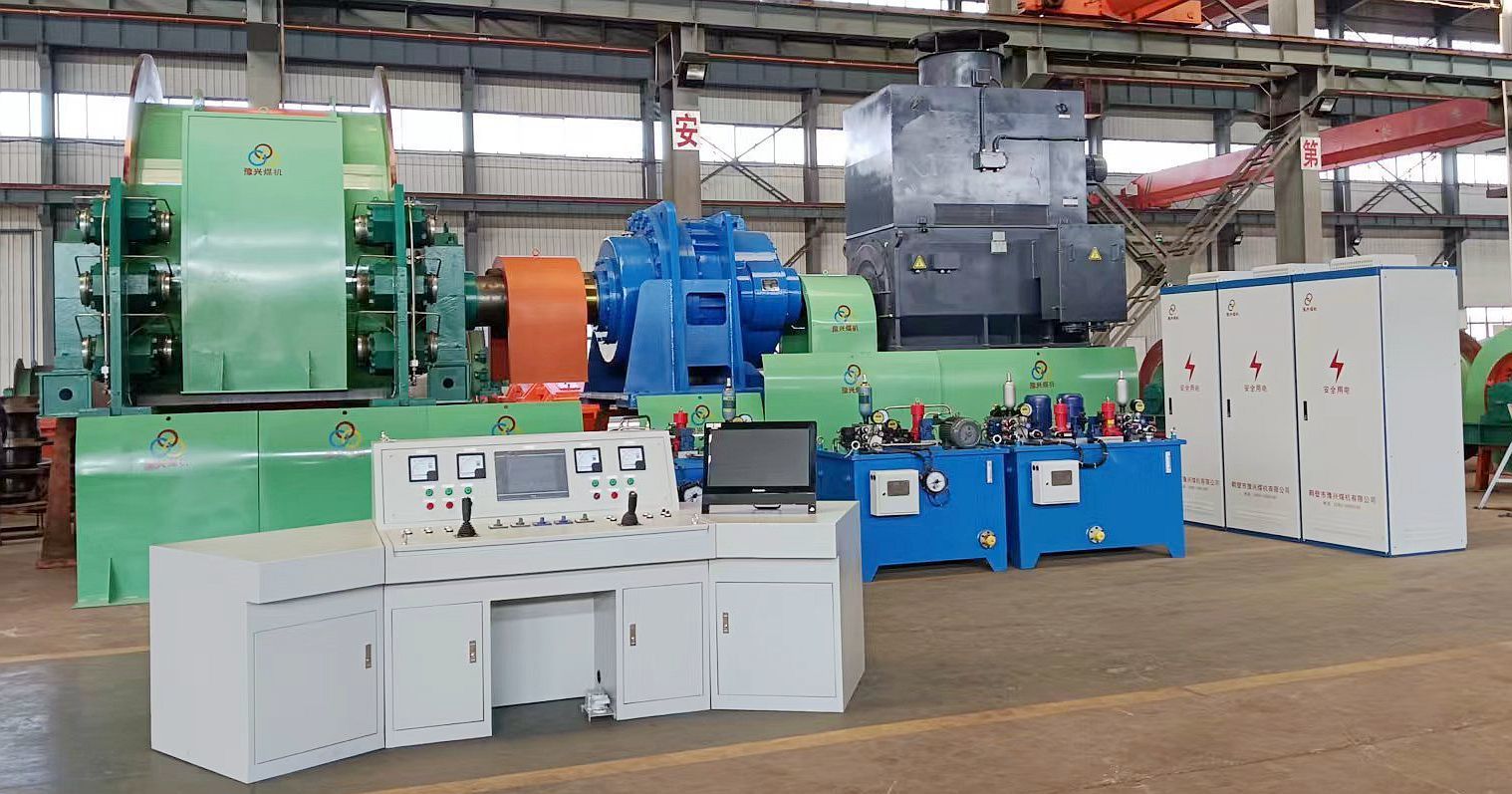
Hebi Yuxing Coal Machinery is committed to providing users with comprehensive, integrated turnkey solutions and equipment for mine hoists.
Friendly Reminder If you have any other questions about our winch hoist or need further information, feel free to click on online consultation or call our dedicated hotline. Yuxing Coal Machinery will provide you with professional and detailed answers.
Related Products
Leave a Message Online
Follow us

Hebi Yuxing Coal Machinery Co., Ltd.
Hotline:+86-13939219076
Technical Consultation:+86-13503925535
Address: Yuxing Industrial Park, Shancheng, Hebi City, Henan Province
You are a helpful assistant.


Copyright © Hebi Yuxing Coal Machinery Co., Ltd. SEO tags Business license




Copyright © Hebi Yuxing Coal Machinery Co., Ltd.Business license
This website supports IPv6 and SEO tags.